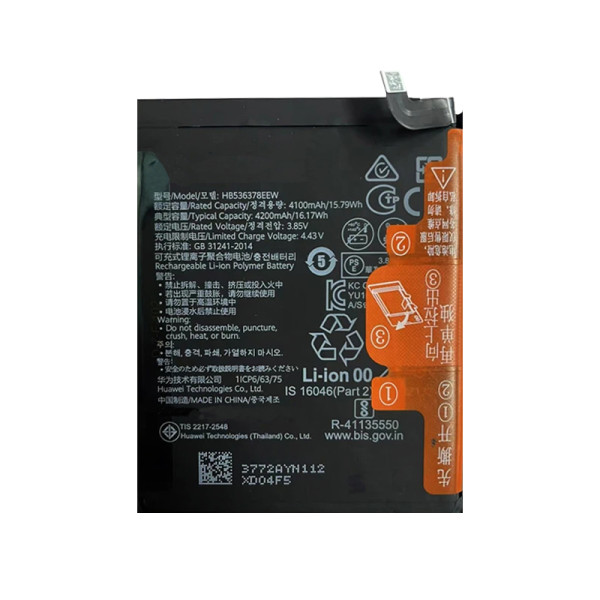
IEC Updates Portable Battery Safety Testing Standards
IEC Updates Portable Battery Safety Testing Standards
In March 2026, the International Electrotechnical Commission (IEC) released updates to safety testing standards related to portable rechargeable batteries. The revisions focus on improving testing methods and safety verification procedures for batteries used in consumer electronics and portable power devices.
The updated standards aim to strengthen safety requirements across the battery industry, particularly for batteries used in smartphones, power banks, wireless accessories, and other portable electronic products.
Organization: International Electrotechnical Commission (IEC)
Topic: Portable rechargeable battery safety testing
Focus: Testing methods, protection system verification, certification alignment
Industry relevance: Smartphones, power banks, and rechargeable electronics
Background of IEC Battery Safety Standards
The IEC develops internationally recognized technical standards that help ensure safety, performance, and interoperability across electrical and electronic products.
For lithium-based batteries used in portable devices, standards such as IEC 62133 are widely referenced by manufacturers, certification bodies, and regulators worldwide. These standards define testing procedures intended to reduce risks associated with overcharging, short circuits, mechanical damage, and thermal instability.
Testing methods are designed to reduce battery-related hazards in portable devices.
Updated procedures improve how protection systems are evaluated.
IEC updates may influence testing and market access across multiple regions.
Key Areas Covered by the Updated Standards
The latest IEC update introduces refinements in several areas related to battery safety testing and certification procedures.
| Area | Updated Focus |
|---|---|
| Safety Testing Procedures | Refined methods to improve reliability of battery safety evaluations |
| Protection Systems | Stronger emphasis on verifying overcharge, overcurrent, and short-circuit protection |
| Certification Alignment | Closer consistency with regional certification and regulatory frameworks |
| Portable Product Coverage | Continued focus on batteries used in portable rechargeable electronics |
Why Protection Circuit Verification Matters
Battery protection circuits are critical for preventing unsafe operating conditions. If these systems do not perform correctly, risks such as overheating, overcurrent, short circuits, and charging instability may increase.
- Overcharge protection
- Overcurrent protection
- Short-circuit protection
- Thermal safety response
The updated standards place more attention on verifying whether these protection systems operate effectively under defined test conditions.
Impact on Portable Electronics and Battery Products
Manufacturers producing portable electronics and rechargeable battery products may need to review their testing procedures to ensure alignment with updated IEC standards.
Rechargeable battery safety remains a core testing priority.
Portable battery packs may require updated verification workflows.
Small rechargeable devices are also affected by safety testing expectations.
Industry Preparation
As global demand for rechargeable batteries continues to grow, safety standards remain an important part of product development and regulatory compliance. Manufacturers and testing laboratories are expected to review updated IEC guidance and integrate revised test methods into certification processes.
Maintaining compliance with internationally recognized standards is essential for companies exporting battery-powered products to multiple markets.