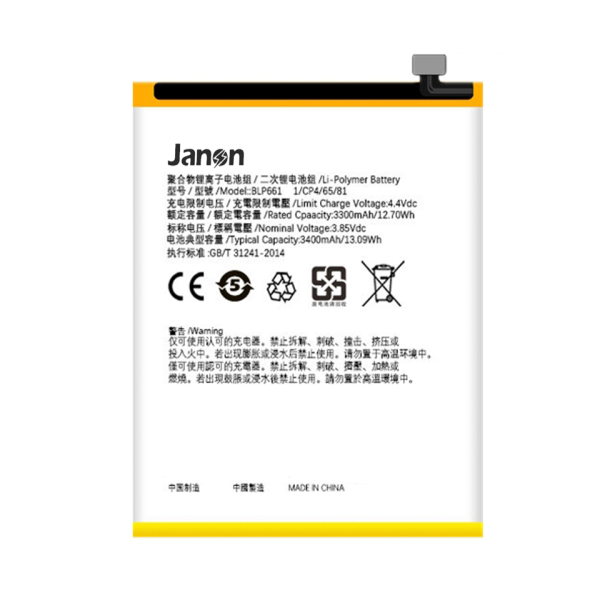
EU Battery Regulation Moves Into Implementation Phase Across Member States
EU Battery Regulation Moves Into Implementation Phase Across Member States
In March 2026, the European Commission confirmed that the implementation phase of the EU Battery Regulation (EU 2023/1542) is progressing across member states. The regulation aims to strengthen sustainability, safety, and traceability requirements for batteries placed on the European market.
The regulation applies to a wide range of battery-powered products including smartphones, power banks, and portable consumer electronics. It introduces new requirements covering product labeling, recycling targets, and supply chain transparency.
Regulation: EU Battery Regulation (EU 2023/1542)
Authority: European Commission
Scope: Portable batteries and battery-powered electronics
Focus: Sustainability, traceability, recycling, and safety
Background of the EU Battery Regulation
The EU Battery Regulation replaces the earlier Battery Directive 2006/66/EC. Unlike the directive, the new regulation applies directly across all EU member states without requiring national legislation.
This approach enables the European Union to establish unified rules for the entire battery lifecycle, covering production, distribution, use, and recycling.
Improved environmental requirements for battery manufacturing and recycling.
Enhanced product safety and battery information transparency.
Digital systems to track battery materials and lifecycle data.
Key Measures Introduced During Implementation
As the regulation moves into implementation, manufacturers and importers are expected to prepare for several compliance requirements affecting battery-powered products sold in the European market.
| Requirement | Purpose |
|---|---|
| Battery Labeling | Provide clear information about capacity, safety, and environmental impact |
| Digital Battery Passport | Enable traceability of battery materials and lifecycle data |
| Recycling Targets | Increase recovery rates for valuable battery materials |
| Supply Chain Transparency | Improve oversight of battery material sourcing |
Impact on Consumer Electronics and Power Products
The regulation affects many portable electronic devices powered by rechargeable batteries. Products such as smartphones, wireless accessories, and portable power banks may be subject to updated labeling and sustainability requirements when entering the EU market.
- Smartphones and mobile devices
- Portable power banks
- Wireless accessories
- Rechargeable consumer electronics
Manufacturers exporting battery-powered products to Europe may need to update compliance documentation, product labeling, and traceability systems.
Conclusion
The EU Battery Regulation represents one of the most comprehensive battery policy frameworks introduced globally. As implementation continues across EU member states, the regulation is expected to influence battery manufacturing, product design, and supply chain transparency worldwide.