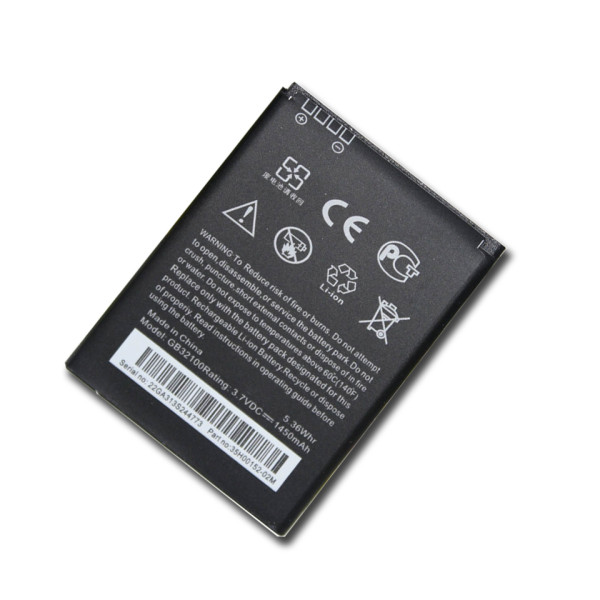
How Battery Heat Builds Up During Everyday Charging
How Battery Heat Builds Up During Everyday Charging
Many people only notice battery heat when a phone becomes obviously warm. In reality, heat starts building much earlier, even during ordinary daily charging. This temperature rise is not always caused by a faulty charger or battery. In most cases, it comes from normal electrical processes inside the phone, the charging cable, and the power source.
Understanding how this heat builds up can help users reduce battery stress and improve long-term charging performance.
Battery heat during daily charging usually comes from electrical resistance, internal power conversion, phone activity, and battery condition. It often builds gradually rather than appearing all at once.
Heat Starts With Electrical Resistance
Whenever electrical current moves through a circuit, some energy is lost as heat. This happens in the charging cable, the phone’s charging port, internal battery connections, and power management circuits. Even under normal charging conditions, these small losses generate heat.
Resistance in the cable can turn part of the electrical energy into heat.
Poor contact or current flow through connectors can increase thermal loss.
Power management chips and battery connections also contribute to heat.
Charging Power Is Not the Only Factor
Many users assume that battery heat only comes from high-watt fast charging. In reality, heat can build up even during moderate charging if several factors combine.
- Poor cable quality
- High ambient temperature
- Phone use during charging
- Limited heat dissipation
- Battery aging
This is why a phone may feel warmer than expected even when it is not charging at maximum speed.
Internal Conversion Generates Heat
Modern smartphones do not simply pass incoming power directly into the battery. Charging chips manage voltage and current through internal conversion and regulation. During this process, voltage may be adjusted, current may be limited, and battery protection systems remain active.
These internal control systems are essential for safety, but they also create thermal load. The more work the system performs, the more heat it can generate.
Screen Use and Background Activity Make It Worse
Heat often increases when users continue to use the phone while charging. Activities such as video streaming, gaming, navigation, and background app syncing consume power while the phone is also receiving power.
| Activity | Effect on Heat |
|---|---|
| Video Streaming | Sustained screen and processor use adds extra thermal load |
| Gaming | High CPU and GPU activity can sharply raise phone temperature |
| Navigation | GPS, screen brightness, and processing increase operating heat |
| Background Syncing | Apps and data updates increase power use during charging |
Why Heat Builds Gradually
Battery heat usually does not spike instantly. It builds over time because temperature rises step by step as energy continues to flow.
- Charging begins with low to moderate heat
- Internal components warm up gradually
- Continued charging and phone activity add more heat
- Temperature stabilizes or triggers power reduction
This is why a phone can start cool and become noticeably warmer after 10 to 20 minutes.
Battery Aging Increases Thermal Stress
Older batteries tend to generate more heat during charging because internal resistance increases over time. As resistance rises, more energy is lost as heat, charging becomes less efficient, and thermal buildup becomes easier.
This is one reason why older phones often feel warmer during charging than newer ones.
How to Reduce Heat During Daily Charging
Users can lower battery heat by improving everyday charging habits.
Choose certified chargers and cables for stable power delivery.
Avoid heavy gaming or video streaming while charging.
Charge in cooler environments and avoid soft surfaces.
Conclusion
Battery heat during everyday charging is a gradual result of electrical resistance, internal power conversion, device activity, and battery condition. It is not always a sign of a problem, but excessive or repeated heat can increase long-term battery wear.
Understanding how heat builds up helps users make better charging choices and improve daily battery care.
https://www.janonpowerbank.com