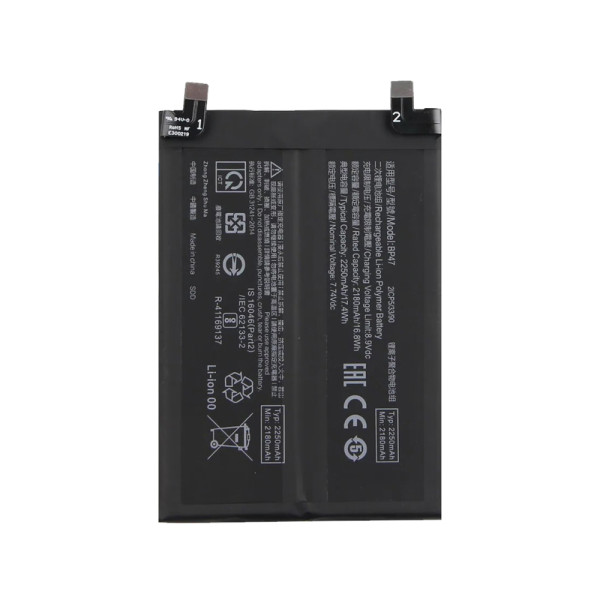
Does Fast Charging Damage Phone Batteries Over Time
Does Fast Charging Damage Phone Batteries Over Time
Fast charging has become standard in modern smartphones. Devices can reach 50 percent in less than 30 minutes, which feels convenient and efficient. But many users still wonder: does fast charging reduce battery lifespan over time?
The answer is not as simple as yes or no. It depends on heat management, charging control logic, and how the battery is used in daily life.
1) What actually causes battery aging
Lithium-ion batteries age mainly due to chemical changes inside the cells. These changes accelerate under high temperature, high voltage, and frequent full charge cycles. Fast charging can raise current flow, which may increase temperature, but temperature management is usually more important than speed itself.
2) How modern fast charging is controlled
Modern charging systems do not apply maximum power continuously. They adjust dynamically based on battery level and temperature, which helps balance speed and protection.
3) Heat is the real concern
Battery degradation is strongly linked to sustained heat rather than short bursts of higher power. If a phone stays cool during charging, long-term risk is usually lower. Problems arise when devices frequently overheat or charge in hot environments.
4) Does higher wattage equal more damage
Higher wattage does not automatically mean more harm. Battery wear depends on system design, internal resistance, charging algorithms, and thermal dissipation. A well-engineered fast charging system can be safer than a poorly designed low-power setup.
5) Practical habits that matter
Instead of avoiding fast charging completely, focus on habits that reduce heat and high-voltage stress. These practical steps often influence battery lifespan more than the charging speed label.
Conclusion
Fast charging itself is not inherently damaging. What matters is heat control, system design, and user behavior. Modern smartphones use protocol negotiation, temperature monitoring, and dynamic power adjustment to balance speed and battery protection.